
User's Guide to Boring Yields
Stablecoin yields now span multiple risk levels. This breakdown compares where returns come from and what users should consider.

This space has made the “slow and steady” approach not worth trying at times.
Even a 10x could feel underwhelming during periods of euphoria. But there’s also a dark side to this.
So many people lost their entire portfolios chasing quick profits in the past.
For example, out of 1.37M Pump.fun wallets trading in March 2026, only ~4% made more than $500.
It wasn’t just memecoins. The same chase-the-shiny-thing mentality hit stablecoin yields, too.
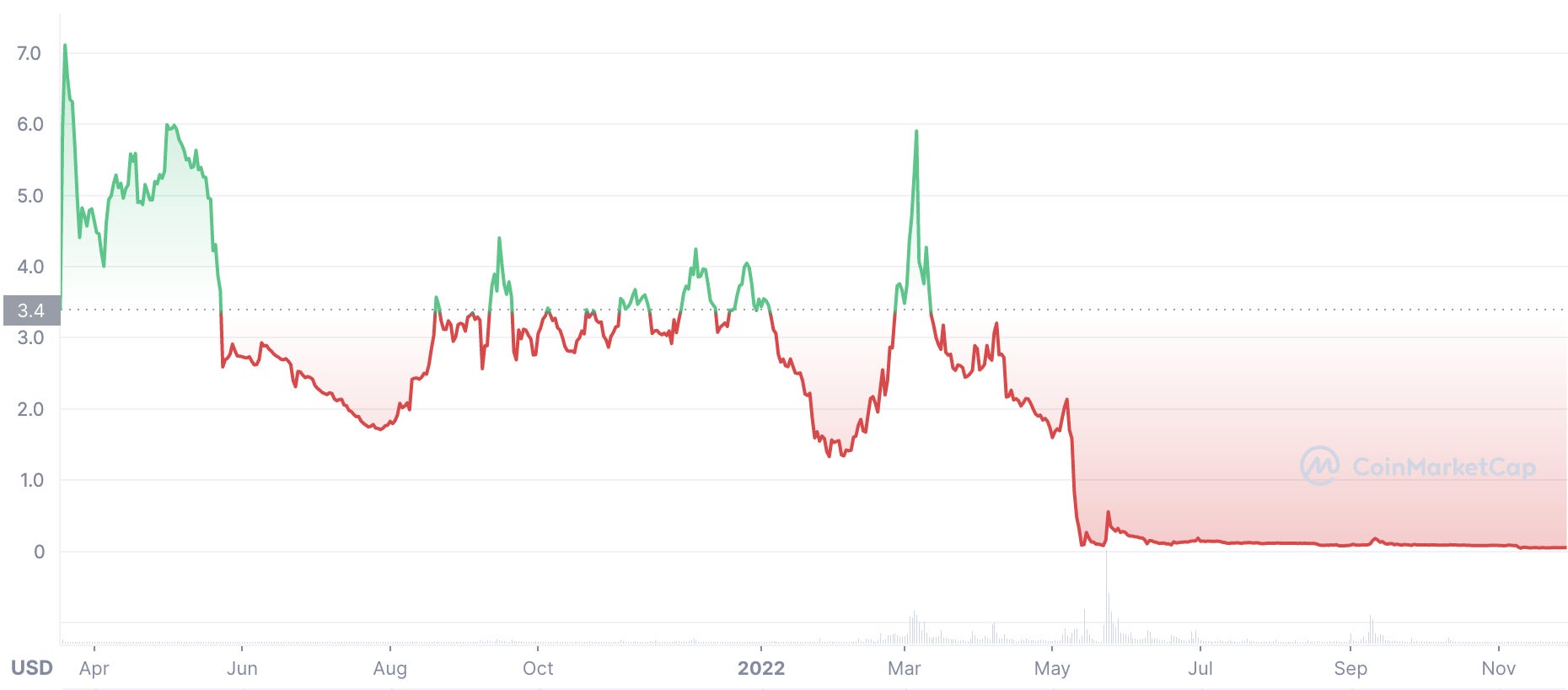
Some protocols kept offering unsustainable APY yields. Most of them collapsed, leaving users stuck with debts or funds they couldn’t withdraw.
Extremely high yields never stay sustainable for long.
The shift to safer yields
While everyone chased the next 100x with risky plays, institutional capital focused on the opposite.
Stablecoin supply and tokenized treasuries keep hitting new ATHs.
AIMCo (Canada’s $160B sovereign wealth fund) put $219M into a Strategy RWA protocol
Bullish acquired Equiniti for $4.2B to build a tokenized securities infrastructure
Revolut now distributes Maple’s syrupUSDC and Sky’s USDS to 50M+ retail users passively
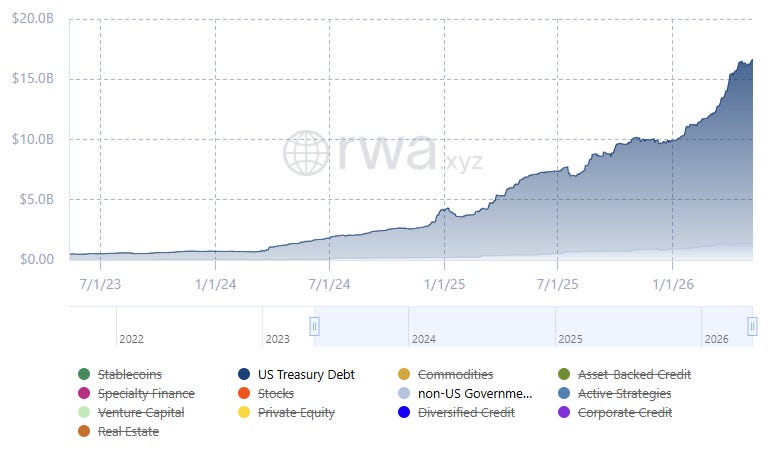
The boring strategies won this cycle. They’re just not as interesting as the 100x wins, so you hear less about them on CT.
The infrastructure for “boring yields” has come a long way.
Five years ago, a safe yield meant getting 0.05% on Coinbase. Today, there are real options across multiple risk tiers with meaningful returns and manageable trade-offs.
Here’s my breakdown of where retail can actually park stables right now.
Risk profiles
1. Ultra-low risk
For these, you’re basically trusting a centralized entity with your money.
If you’re not yet comfortable with self-custody, it doesn’t get simpler than this.
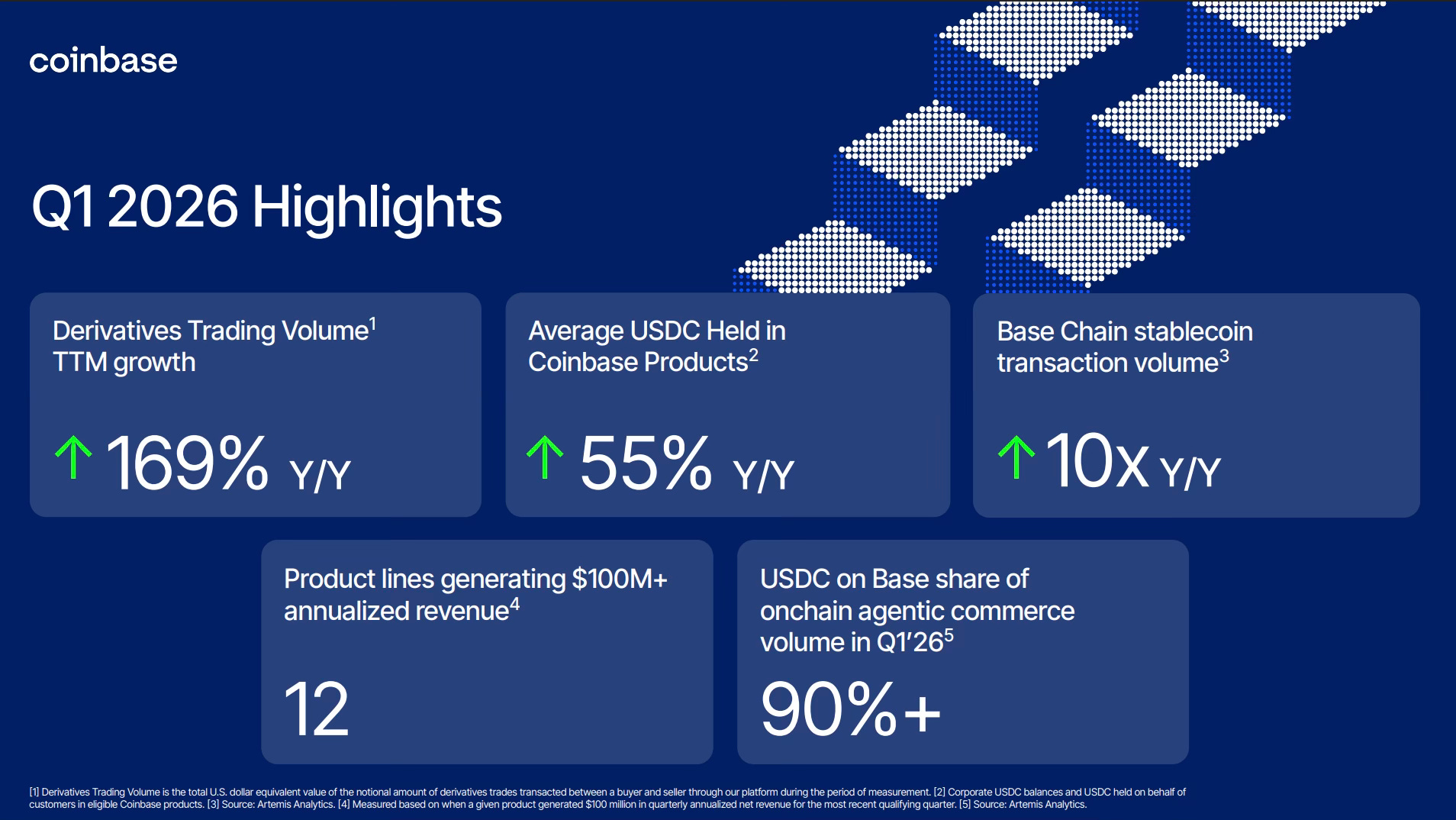
→ Coinbase (USDC)
APY: up to 3.5%
Lending the USDC through Morpho directly on the platform can push the APY closer to 10%.
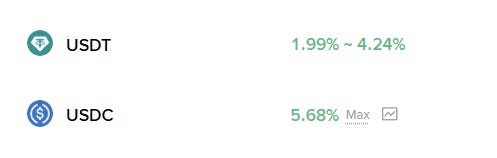
→ Binance (USDC and USDT)
APY: up to 5.68% for USDC / 5.18% for USDT
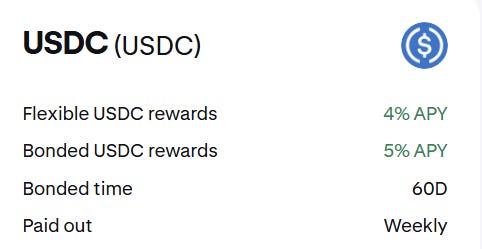
→ Kraken (USDC and USDT)
APY: up to 4%
2. Low risk (3-6% APY)
This tier is built entirely on tokenized US Treasury bills. The backing is short-duration government debt, which is as safe as traditional finance gets. The risks here are operational and regulatory, not credit-related.
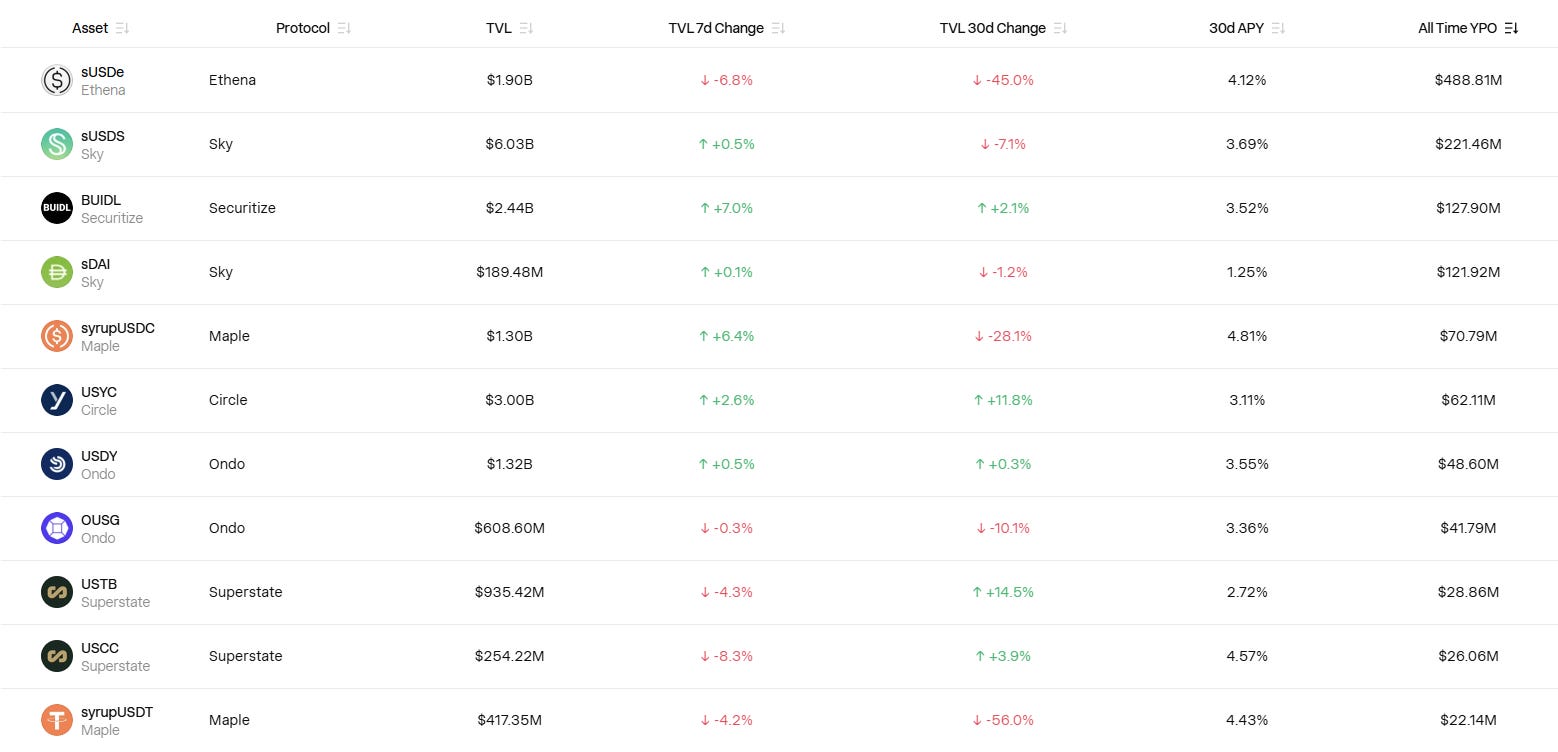
→ Securitize (sBUIDL)
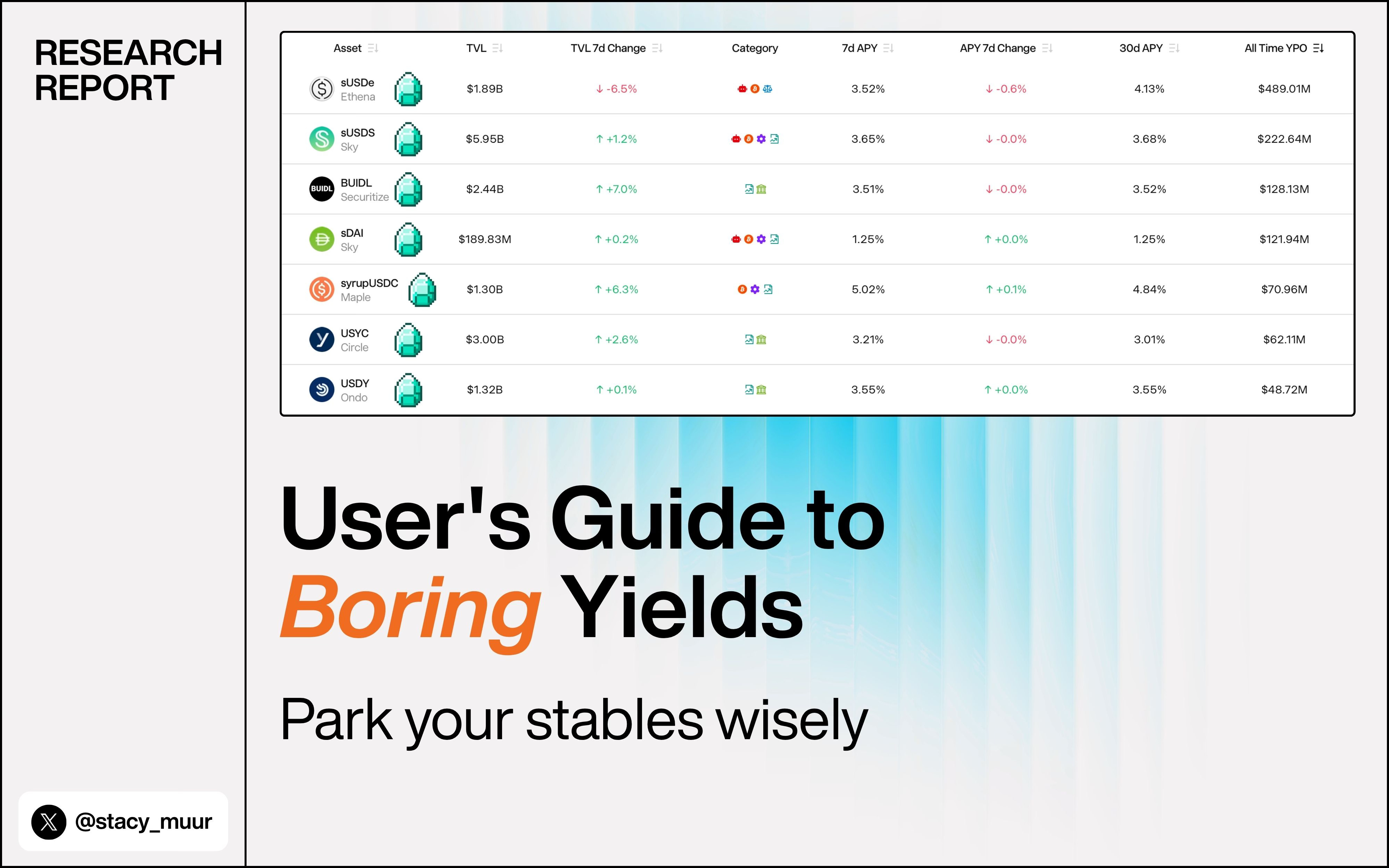
TVL: $2.44B
30d APY: 3.52%
This is BlackRock’s BUIDL fund, wrapped onchain.
BlackRock running the underlying fund is the strongest institutional signal you can get in tokenized treasuries.
→ Ondo (USDY)
TVL: $1.32B
30d APY: 3.55%
Non-US persons only
The most accessible Treasury exposure for non-US retail users. No institutional minimums, no whitelisting hoops, monthly attestation reports published publicly.
→ Circle (USYC)
TVL: $3B
30d APY: 3.11%
Non-US persons only, requires Circle KYC + wallet whitelisting
Same compliance infrastructure that runs USDC, applied to a yield-bearing product. Higher access friction than USDY, but the custody setup is one of the strongest in the space.
3. Medium risk (4-7% APY)
This tier adds protocol risk on top of the asset itself.
You are no longer just taking treasury or centralized custody risk. You are adding protocol risk, lending-market risk, governance risk, and smart contract exposure.
→ Maple (syrupUSDC)
TVL: $1.30B
30d APY: 4.81%
Your USDC is lent to institutions that provide collateral to borrow it. The yield is whatever they pay in interest. It introduces credit and counterparty risk, so it’s not the safest available product.
→ Sky (sUSDS)
TVL: $6.03B
30d APY: 3.70%
The oldest savings product on this list. The product has survived several ugly market events:
March 2020 Black Thursday crash
2022 bear market
USDC depeg
→ Aave (sGHO)
TVL: $265M
30d APY: 5.70%
Aave has a strong track record as a lending protocol, and GHO savings are relatively easy to understand. Still, this is a medium-risk bucket because it depends on DeFi mechanics, governance, and protocol incentives.
→ Ethena_labs (sUSDe)
TVL: $1.90B
30d APY: 4.12%
Ethena’s yield comes from a delta-neutral strategy using crypto collateral and short perp exposure. It is one of the most important stablecoin experiments in the market, but it is not the same risk profile as a treasury-backed product.
→ USDai (sUSDai)
TVL: $260M
30d APY: 6.83%
USDai is more interesting because it mixes treasury-style backing with exposure to AI/GPU credit. The upside is a differentiated yield source. The trade-off is that the legal and credit structure is newer.
4. Higher risk (8-15% APY)
These yields are real, but you’re trading off track record for return. Smaller protocols, newer mechanics, less time in the wild. Worth holding, but not where you park most of your stables.
→ Midas (mF-ONE)
TVL: $71.12M
30d APY: ~11.61%
The highest yield here, backed by real private credit deals. The strategy is solid, but you’re trusting a smaller team and a newer setup compared to the others.
→ Unitas (sUSDu)
TVL: $69M
30d APY: ~10.59%
Earns yield by running market-neutral strategies across a basket of assets. The idea is interesting, but it’s a younger version of what Ethena does, and Ethena is already in the medium-risk category.
→ InfiniFi (siUSD)
TVL: $76M
30d APY: ~8.26%
A yield-bearing wrapper on InfiniFi’s stablecoin. The setup is clean, but all the collateral is tied to one protocol, so you’re essentially betting that InfiniFi won’t have issues in the future.
How to use this info
The point of these tiers isn’t to rank yields from best to worst.
It’s to understand what kind of risk you’re taking for each extra percentage point of return.
→ Ultra-low risk: easy to withdraw, available to move at any moment
→ Low risk: the core stable yield for most users
→ Medium risk: yield exposure if you understand the protocol risk
→ Higher risk: a short-term high ROI play
Here’s how I allocated my stables ↓
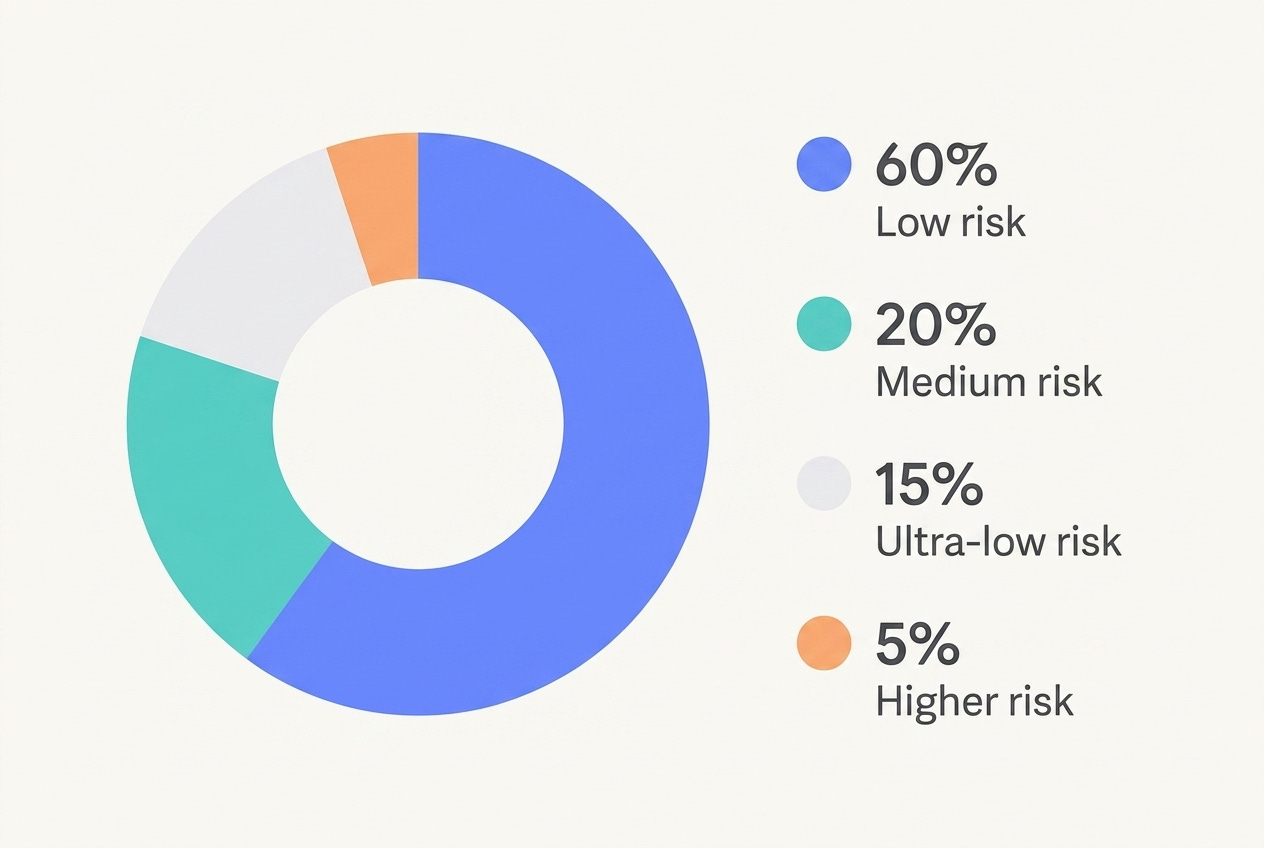
Instead of taking ultra-high risk with memecoin plays and newer protocols, practice some patience and go where the institutions go.
It’ll be worth it in the long run.